Learn more about the Shiloh Shepherd
Age Appropriate Exercise Guidelines
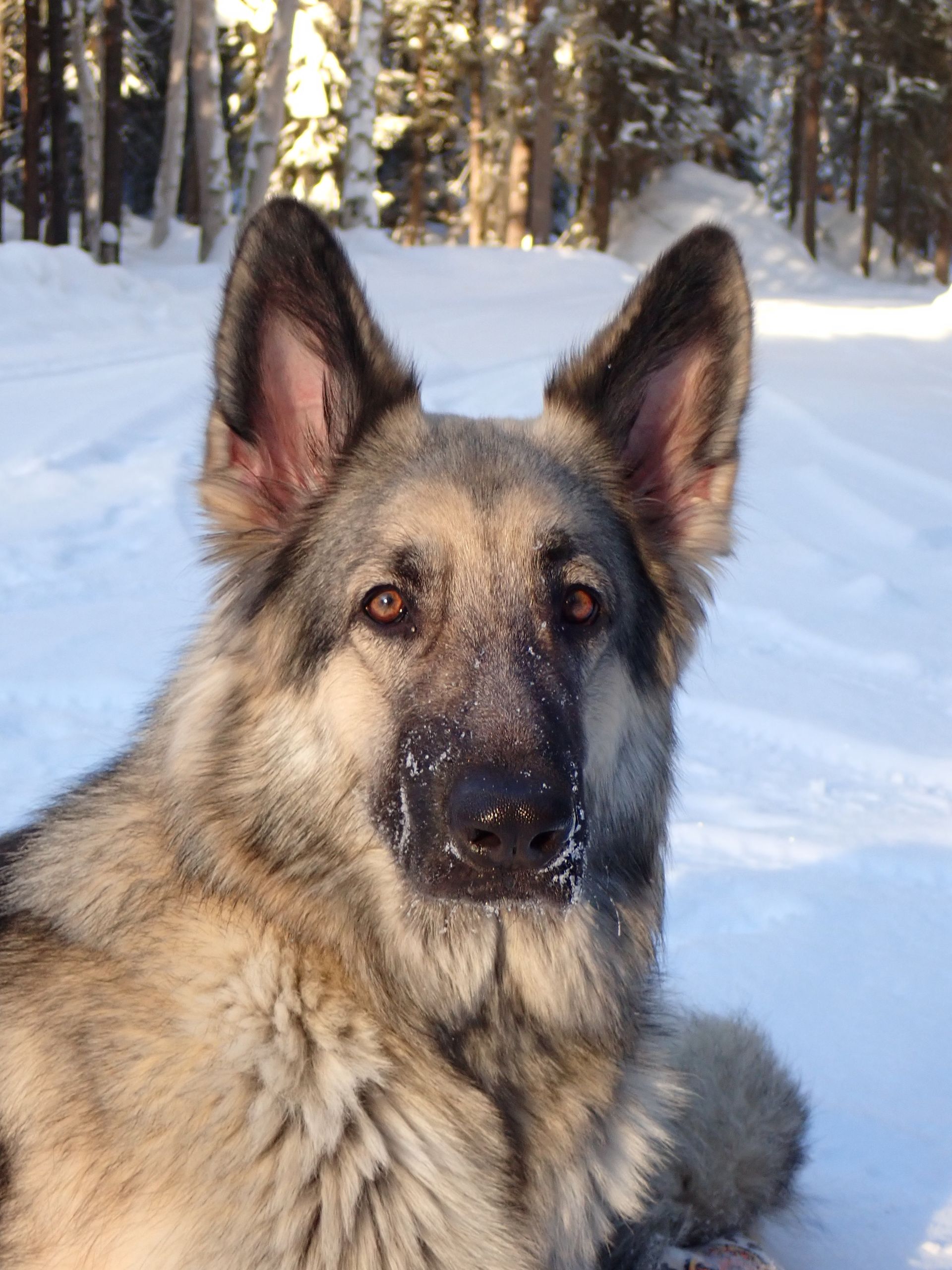
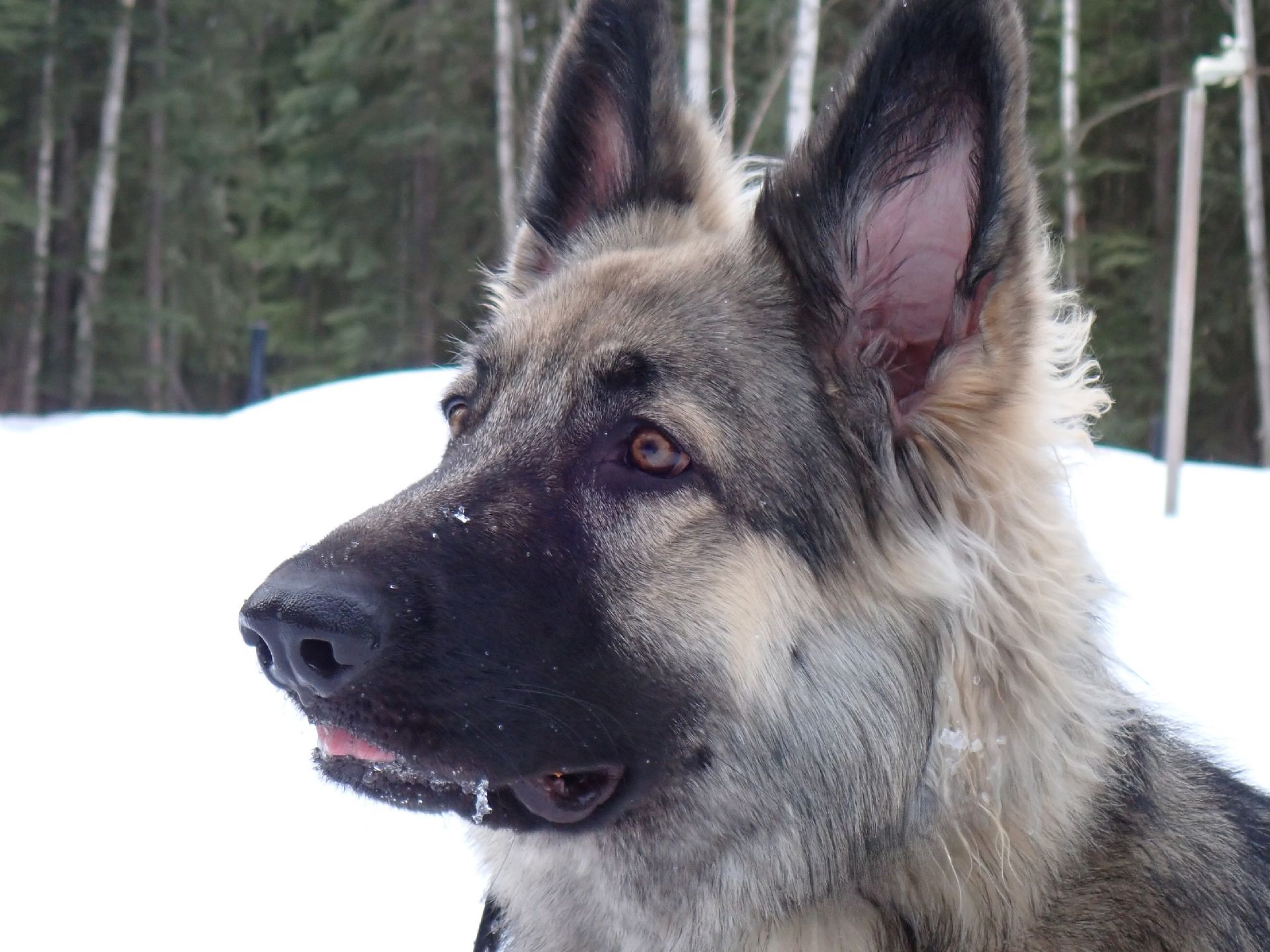
In 1974, Tina Barber began developing a unique line of German Shepherds at Shiloh Shepherd Kennels in New York State. Her goal was to preserve the type of dog she remembered from her childhood in Germany; dogs who are good family companions, exceptionally intelligent, mentally sound, big and beautiful – similar to Chuck Eisenmann’s dogs from The Littlest Hobo. After years of breeding and training German Shepherds, she chose to start reviving the breed by using the Thuringer lines for intelligence and the mountain shepherd lines for size and soundness. After years of selective breeding, Ms Barber separated her foundation stock from the AKC in 1990. When it came time to choose the name for the new rare breed, the FIC pointed out that most people knew her lines by the kennel name, and thus Shiloh Shepherd was chosen. Today four main lines are recognized, named for the bitches who were instrumental in developing the breed. Kari brought considerable intelligence and fluid movement, Ursa had a beautiful and sound body, Ria contributed the broad head and softer temperament and Sabrina added in the heavier bone structure and plush coats. Knowledge of these dominant lines along with their faults and virtues is paramount when breeding Shilohs; just as crossing these lines correctly can create sound, well formed Shilohs, crossing them incorrectly can result in hip, back or temperament problems. Starting in 1990, Shilohs were registered through the FIC as a separate breed. At this time, Ms. Barber formed The Shiloh Shepherd Dog Club of America (SSDCA, Inc.). After the FIC showed some difficulty with standards verification, Ms. Barber and the SSDCA decided to open their own registry in 1991, The International Shiloh Shepherd Registry (ISSR). After some documentation issues became evident, The Complete Computer Place (TCCP) was contacted in 1992 to design a program to process registry data for the ISSR. They also maintain an ancestry database to assist in calculating health and temperament factors within this limited gene pool. The SSDCA was dormant during part of 1997 to support the opening of a new breed club, The International Shiloh Shepherd Dog Club (ISSDC). When the ISSDC stopped working with the ISSR and opened their own registry, the ISSDC/r, the SSDCA reactivated and has been maintained as the breed club for the ISSR. The ISSDC and its registry closed in 2001. The Shiloh Shepherd Breed Association (SSBA) was opened shortly after to assume its registry functions. The National Shiloh Breed Registry (NSBR) was established in 2001 with an emphasis on shared knowledge and giving more control over breeding to the individual breeder. The Shiloh Shepherd Registry (TSSR) was opened in 2002 with a focus on health requirements. The ISSDC was reorganized in 2004 as a unifying breed club for the SSBA, NSBR and TSSR registries. During recent years, many breeders have focused diligently on health and consequently you will often see health testing that is above and beyond requirements of any registry or club.